
Pediatric Dental Care Logo
  • Pay my bill
  • Patient login
  • Blog
  • Contact
  • Careers
  • Emergencies
  • Locations
    • Pediatric Dentistry
    • Children's Dental Care
    • Dental Exams & Teeth Cleaning
    • Emergency Pediatric Dentist
    • Fillings and Crowns
    • Pediatric Dental Care
    • Pediatric Root Canal and Endodontics
    • Sedation Dentistry for Children
    • Tooth Extractions
    • Dental payment options
    • Dental insurance
    • Dental financing
    • Special offers
    • Good faith estimate
    • About us
    • Patient information
    • Dental reviews
    • Common questions
  • Book appointment

Home

Blog

Headaches: The Dental Connection

Headaches: The Dental Connection

January 9, 2024 By Pediatric Dental Care

Headaches: The Dental Connection

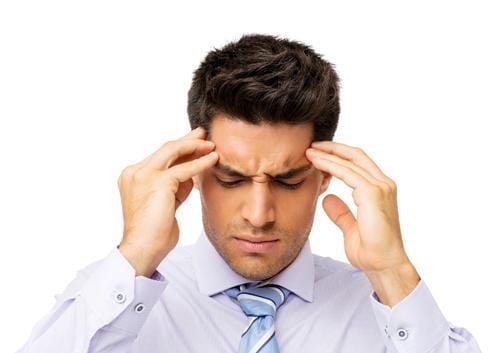
Many people suffer through headaches for years without getting to the root cause of their problem. If you find yourself constantly popping painkillers to get through the day, it might be worth a trip to see a medical professional – but it may not be the person you think.

Talking to the doctor can be a great start when dealing with chronic headaches, because dental issues frequently contribute to head pain. In fact, the American Academy of Craniofacial Pain estimates that 80% of headaches are caused by muscle tension, which often originates in the jaws.

What Do Tension Headaches Feel Like?

A tension headache can originate on one side of your head or can pervade your entire skull. Typically, tension headaches feel like a dull, throbbing ache inside your head. Some patients at our FAIRFAX, Virginia office report that they feel as though a metal band has been wrapped around their head and is causing significant pressure. Several common symptoms suggest that tension headaches may be caused by dental issues:

  1. Feeling as though your head or scalp is painful to the merest touch
  2. Experiencing a dull or throbbing pain behind the eyes
  3. Clicking or popping sounds in your jaw joints
  4. Grinding teeth or clenching the jaws, particularly in times of anxiety or during the night
  5. Feeling as though your jaw muscles are sore when you wake up from sleep

Dental Origins of Headaches

Several dozen muscles control your facial expressions, jaw movements, and motions such as swallowing. When these muscles are contracted for long periods of time, tension builds up within the muscle and can lead to headaches. This may happen if you clench or grind your teeth at night, your bite is misaligned, or you have muscle imbalances in the jaw or neck.

Dental Treatments for Tension Headaches

Fortunately, a trip to John Han can be a fruitful way to alleviate your headaches, including the following treatments:


  1. Bite. In many cases, correcting your bite through orthodontics releases the stress on your jaw and muscles, and reduces the frequency of headaches.
  2. Nightguard. A nightguard, which resembles a sports mouthguard, may also be helpful if you frequently grind your teeth or clench your jaws during sleep. Nightguards distribute the tension from your clenched jaws and reduce the possibility of dental damage.
  3. Physical therapy and relaxation. Correcting the posture of your shoulders, neck, and head may alleviate muscle tension associated with headaches.

Recent articles

What's the best dental floss? What's the best dental floss?
Your Sunny Smile Your Sunny Smile
The Truth about TMJ The Truth about TMJ

Book your appointment today.

Book appointment
Pediatric Dental Care Logo
  • Pediatric Dental Care - Chantilly
  • Pediatric Dental Care in Fairfax
  • Pediatric Dental Care in Springfield
  • Children's Dental Care
  • Dental Exams & Teeth Cleaning
  • Emergency Pediatric Dentist
  • Fillings and Crowns
  • Pediatric Dental Care
  • Pediatric Root Canal and Endodontics
  • Sedation Dentistry for Children
  • Tooth Extractions
  • Find a pediatric dentist near you
  • Privacy policy
  • Notice of Privacy Practices
  • Site map

© 2026 Pediatric Dental Care. All rights reserved. The above-listed practice complies with applicable Federal civil rights laws and does not discriminate on the basis of race, color, national origin, age, disability, or sex. Notice of non‑discrimination.