It’s possible to develop tooth decay even when you take great care of your teeth. Brushing and flossing may not be enough to keep your teeth healthy, depending on your diet. Cavities, discoloration, and decay are still possible when certain foods feature in your daily intake. Keep an eye out for foods that will damage your enamel and cause the very issues you’ve been trying to avoid.
Tooth enamel is the hard outer layer of your teeth that is made of various minerals. Tooth decay results when the acids in your food react with the minerals in your enamel. Strongly pigmented foods may also cause unsightly discoloration on the surface of your teeth. Avoid wreaking havoc on your beautiful smile by identifying the foods that can harm your enamel.
Acidic food is your teeth’s worst nightmare! This is the greatest cause of enamel damage, even if you brush and floss regularly. To avoid damaging your teeth, make sure you can determine whether a food is acidic or not.
The pH levels are a way to determine acidity on a one-to-seven scale. This defines the relative acidity or alkalinity of a food or substance. Foods with high pH levels are not as likely to harm your enamel.
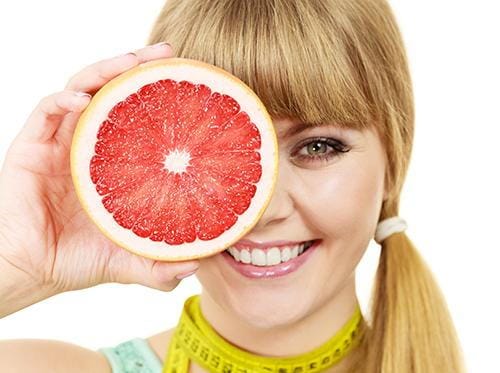
It’s wise to avoid or minimize foods that are high in acids. Highly acidic food can include fruits such as lemons, grapefruit, strawberries, grapes, and apples. Moderately acid foods may surprise you; they include tomatoes, maple syrup, pickles, and honey.
Not surprisingly, eggs and dairy products such as milk and cheese contain the least amount of acid. Red wine and coffee can also discolor your enamel if they’re drunk in excessive amounts.
There are plenty of ways to avoid discoloration and decay of your enamel. The best thing to do is limit the amount of high-acid foods, including sugary juices and soda, in your diet.
Another way is to brush and floss regularly, an hour after each meal. If you can’t make time to brush, an easy solution is to swish your mouth with water or mouthwash to rinse away any leftover acidic particles.
Damaged tooth enamel may be common, but is avoidable when you know which foods to stay away from and the steps to take after you do eat highly acidic foods. Take our advice and you’ll be sure to slow down any future discoloration and decay that happens in your mouth.
For more advice on protecting your enamel, give our FAIRFAX, Virginia a call to learn more!